
Employees aren’t just an internal audience; they’re your most visible stakeholders. In a crisis, how you communicate with them will determine whether they become your fiercest advocates or your fastest liability. One poorly timed memo or vague email can trigger leaks, fuel rumors or shake morale. This session pulls back the curtain on employee-first crisis communication within an organization that supported employees and maintained operational excellence during crises. You’ll walk away with:
- Fast, transparent updates: Proven methods for closing information gaps quickly and preventing misinformation from spreading internally.
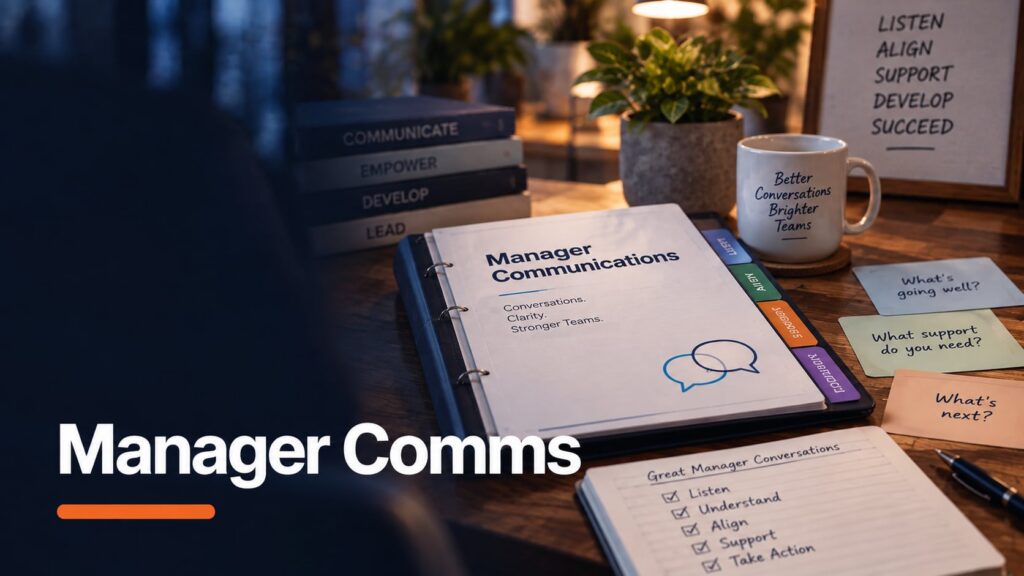
- Manager as messenger: How to equip frontline managers with talking points, FAQs, and coaching so they deliver clarity and confidence.
- Emphasize capability, not just buy-in: How this organization emphasized employee capability to adapt and overcome change, and how they calculated the savings from an avoided crisis.
- Balancing reassurance with realism: Techniques for acknowledging fear or uncertainty while reinforcing stability and direction.
- Employee advocacy playbooks: How to mobilize employees as credible, external-facing voices while protecting them from overexposure or burnout.
- Channel strategy for 2026: Best practices for using intranets, collaboration platforms, secure chat and video briefings to reach dispersed teams.