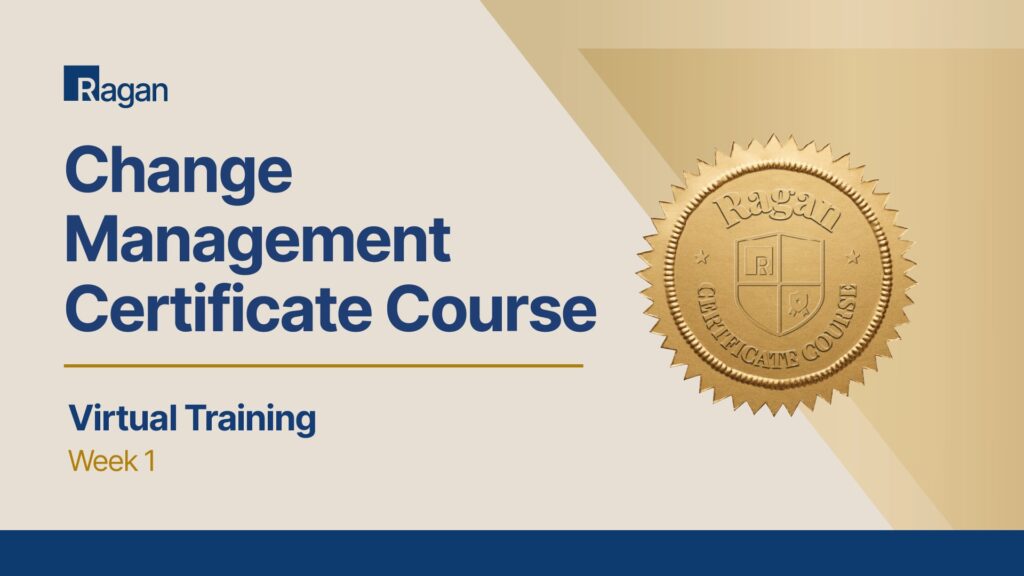

Organizations frequently undergo significant transformations, whether it’s a merger, a technological shift or CEO transition, or a cultural overhaul. It’s no longer enough to merely respond to change; successful leaders need to anticipate the impact of marketplace adjustments, new regulatory requirements, changes in business strategy or implementations of new technology within their organizations. This first course sets the stage by examining the foundational elements of change management by examining the four stages of change: disruption, exploration, rebuilding, and transformation. You’ll explore the importance of readiness assessments to gauge your organization’s appetite for change, along with methods for engaging stakeholders who might be cautiously skeptical or outright resistant. From anticipating potential pitfalls to understanding how ingrained cultural norms impact every decision, we’ll discuss the crucial steps for creating an environment where change is understood and, ultimately, embraced. Attendees will learn:
- Change readiness: Methods for evaluating organizational appetite and leadership support.
- Risk assessment & mitigation: Approaches for spotting potential roadblocks early and developing countermeasures.
- Cultural considerations: Insights on aligning change objectives with shared values, traditions, and behavioral norms.
- Communication foundations: Essentials for crafting transparent, timely messages that resonate across all levels of your organization.
- Real world case study: We'll explore how a major company handles transition from its inception to rollout.
: Review the change readiness assessment for your company.